
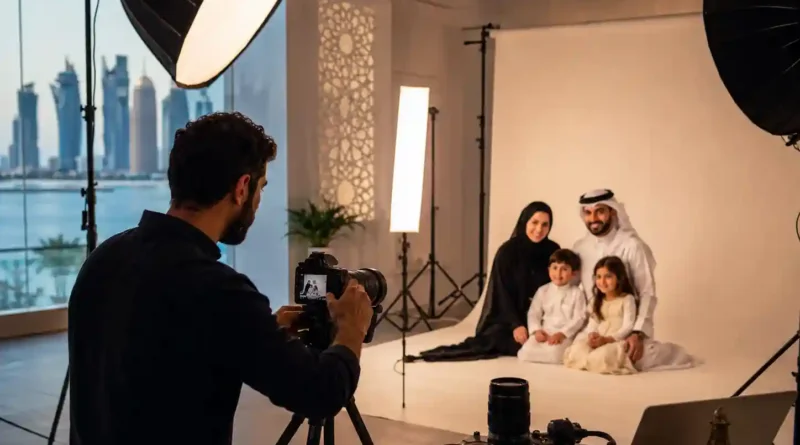
Professional Photographer Careers in Doha Qatar: Skills Needed for Studio and Family Photography Jobs
Professional Photographer Careers in Doha Qatar: Skills Needed for Studio and Family Photography Jobs
Professional photographer careers in Doha Qatar can be a good opportunity for creative people who enjoy capturing meaningful moments, working with clients, and producing high-quality visual content. Photography is not only about using a camera. It also requires planning, lighting knowledge, communication skills, editing ability, patience, and a strong artistic eye.
In Doha, photography jobs may be found in studios, creative agencies, advertising companies, family photography services, event businesses, media teams, and digital marketing agencies. Some roles focus on family and baby photography, while others may include corporate shoots, product photography, social media content, events, or commercial campaigns.
For job seekers who have a strong portfolio and practical photography experience, this career path can offer room for creativity and professional growth.
About Photography Jobs in Doha
Photography jobs in Doha can vary depending on the employer and type of service offered. Some photographers work in studios where clients come for family portraits, baby sessions, maternity shoots, and milestone photography. Others work with agencies that produce content for brands, campaigns, websites, and social media platforms.
A professional photographer may need to handle the full process of a photoshoot. This can include preparing the setup, choosing the right lighting, guiding clients, capturing images, editing final photos, and delivering polished results.
The role is suitable for people who are creative, patient, organized, and comfortable working with different types of clients.
Why Photographers Are Needed in Qatar
Qatar has a growing creative, business, hospitality, and digital media market. Companies need high-quality visual content for marketing, websites, social media, advertising, and branding. Families also look for photographers to capture important personal moments such as birthdays, newborn sessions, family portraits, and celebrations.
Professional photographers are needed because good images can make a strong emotional and visual impact. Whether the work is for a family album or a business campaign, quality photography helps tell a story.
Photographers may support:
Studio photography
Family photography
Baby and newborn photography
Event photography
Corporate photography
Product photography
Social media content
Advertising campaigns
Brand photography
Creative agency projects
This makes photography a flexible field with different career directions.
Main Responsibilities
The responsibilities of a professional photographer depend on the employer and type of photography. However, most roles include planning, shooting, editing, and client communication.
Common responsibilities include:
Preparing photography equipment before each shoot.
Setting up cameras, lenses, lighting, and backgrounds.
Taking high-quality photos based on client needs.
Guiding clients during photoshoots.
Creating a comfortable environment for families and children.
Editing and retouching photos after the session.
Organizing files and delivering final images on time.
Maintaining studio equipment and keeping the space ready.
Working with creative teams when needed.
Following brand or client requirements.
Managing time during scheduled sessions.
Keeping a strong and updated portfolio.
A good photographer should be able to combine technical skill with creativity and professionalism.
Studio Photography Skills
Studio photography requires control over lighting, background, composition, and camera settings. Unlike outdoor photography, a studio gives the photographer more control, but it also requires careful setup.
Important studio photography skills include:
Using softboxes and studio lights.
Understanding light direction and shadows.
Choosing suitable backgrounds.
Adjusting camera settings manually.
Creating balanced compositions.
Managing props and accessories.
Keeping the studio clean and organized.
Directing poses naturally.
Working with different age groups.
Studio photography is often used for family portraits, baby photography, professional headshots, and product photography.
Family and Baby Photography
Family and baby photography requires a special personality. The photographer must be patient, calm, and friendly because babies and young children may not always follow instructions or stay still.
Important skills for family and baby photography include:
Creating a relaxed atmosphere.
Communicating well with parents.
Working patiently with children.
Capturing natural smiles and expressions.
Using safe posing techniques.
Understanding baby comfort and safety.
Planning short and effective sessions.
Choosing soft lighting and gentle backgrounds.
Safety is very important when working with babies. A photographer should never force risky poses or use unsafe props. Comfort and care should always come before the photo.
Lighting and Equipment Knowledge
Professional photographers must understand their equipment. A good camera is useful, but the photographer’s knowledge is what creates strong results.
Equipment knowledge may include:
DSLR or mirrorless cameras
Prime and zoom lenses
Studio lights
Softboxes
Reflectors
Tripods
Backdrops
Memory cards and storage
Light meters when needed
Editing workstations
A photographer should also know how to work with natural light and artificial light. In many photoshoots, lighting can make the biggest difference between an average image and a professional one.
Photo Editing and Retouching
Photography work does not end after taking the photo. Editing and post-processing are important parts of the job. Clients usually expect final images to look polished, clean, and professional.
Common editing tasks include:
Color correction
Brightness and contrast adjustment
Cropping and composition correction
Skin retouching
Background cleanup
Removing small distractions
Sharpening final images
Exporting images in suitable formats
Preparing files for print or digital use
Many employers prefer photographers who can use software such as Adobe Photoshop and Lightroom. Good editing should improve the image without making it look unrealistic or over-processed.
Client Communication
A professional photographer works closely with clients. Good communication helps the photographer understand what the client wants and helps the client feel comfortable during the session.
Client communication may include:
Discussing the photoshoot style.
Explaining what the client should prepare.
Suggesting clothing or color themes.
Guiding poses during the shoot.
Managing expectations about delivery time.
Listening to client feedback.
Handling requests professionally.
Strong communication skills are especially important in family photography because parents may have specific expectations for their children’s photos.
Creative Direction
Some photography roles require creative direction. This means the photographer may help plan the look and feeling of the shoot before it starts.
Creative direction may include:
Choosing themes and concepts.
Selecting backgrounds and props.
Planning lighting styles.
Suggesting poses and expressions.
Matching the shoot with brand identity.
Creating visual ideas for social media or campaigns.
A photographer who can contribute creative ideas may have better career opportunities, especially in agencies and marketing environments.
Skills Needed for the Role
A successful professional photographer needs both technical and personal skills.
Important skills include:
Camera operation
Lighting setup
Composition
Photo editing
Client communication
Creativity
Patience
Attention to detail
Time management
Portfolio development
File organization
Problem-solving
Ability to work under pressure
Professional attitude
For family and baby photography, patience and safety awareness are especially important.
Qualifications and Experience
Requirements vary depending on the employer. Some companies may prefer a diploma or certificate in photography, while others focus more on experience and portfolio quality.
Common requirements may include:
Previous photography experience.
Strong portfolio of completed work.
Knowledge of camera equipment and lighting.
Experience with Photoshop, Lightroom, or similar tools.
Understanding of studio photography.
Ability to work with clients professionally.
Good communication skills.
Creativity and attention to detail.
For some family or baby photography roles, employers may prefer candidates with experience handling children and creating safe photoshoot environments.
How to Prepare Your Portfolio
A photography portfolio is one of the most important parts of applying for photographer jobs. It shows the employer your style, skill level, and experience.
A good portfolio should include:
Clear and high-quality images.
Different types of photography if available.
Family or baby photography examples.
Studio lighting examples.
Before and after editing examples if useful.
A clean and professional layout.
Only your best work.
Updated recent photos.
Avoid adding too many average images. It is better to show fewer strong photos than many weak ones.
How to Prepare Your CV
Your CV should not only say “photographer.” It should clearly show what kind of photography you do and what equipment or software you can use.
Include details such as:
Years of photography experience.
Types of photography you handled.
Camera and lighting equipment knowledge.
Editing software skills.
Studio or agency experience.
Client handling experience.
Portfolio link.
Social media or website link if professional.
Any certificates or training.
Experience with baby or family photography if available.
A clear CV and strong portfolio together can make your application stronger.
Interview Preparation
Photography interviews may include both normal interview questions and practical portfolio discussion. The employer may ask about your experience, equipment knowledge, editing style, and how you handle clients.
Common interview questions may include:
What type of photography do you specialize in?
Can you show examples from your portfolio?
How do you prepare for a family photoshoot?
What lighting equipment do you use?
How do you make clients feel comfortable?
What editing software do you use?
How do you handle difficult photoshoot situations?
How do you protect baby safety during a shoot?
How long do you usually need to deliver edited photos?
Try to answer with real examples. Employers want to know how you work in actual situations, not only what tools you know.
Working in a Creative Agency
Some photographers work in creative agencies, where the role may include more than family photography. Agency work can involve social media content, brand campaigns, corporate shoots, product photos, and creative concepts.
In an agency environment, a photographer may work with:
Designers
Social media teams
Marketing managers
Content creators
Videographers
Clients
Creative directors
This type of environment can be fast-paced, but it can also help photographers build strong experience and a wider portfolio.
Career Growth
Professional photographers can grow in different directions depending on their interests and skills.
Possible career paths include:
Studio Photographer
Family Photographer
Baby Photographer
Event Photographer
Product Photographer
Commercial Photographer
Photo Editor
Creative Content Specialist
Photography Team Lead
Studio Manager
Freelance Photographer
Creative Director
Career growth depends on portfolio quality, client satisfaction, technical skills, creativity, and consistency.
Working in Doha
Doha can offer opportunities for photographers in studios, agencies, family services, hospitality, events, and business marketing. The city has an active demand for visual content, especially as companies and individuals continue to use digital platforms to present their work and memories.
Before accepting any role, job seekers should review salary, working hours, visa status, contract terms, location, equipment responsibilities, and image ownership rules.
Important Advice for Job Seekers
Be careful when applying for photography jobs online. Some fake recruiters may use attractive job titles or real company names to collect documents or money. Always verify the employer before sending personal information.
Before accepting any offer, check:
Company name
Official website if available
Job title
Work location
Salary and benefits
Working hours
Visa process if applicable
Portfolio requirements
Equipment requirements
Contract terms
Image usage rules
Official email address
Recruitment process
Do not pay money to unknown people for a guaranteed job. A professional employer should provide clear communication and proper hiring steps.
Final Advice
Professional photographer careers in Doha Qatar can be a strong opportunity for creative job seekers with camera skills, editing ability, client communication, and a strong portfolio. The role is suitable for people who enjoy capturing meaningful moments and producing polished visual content.
For applicants, preparation is important. Build a clean portfolio, highlight your best work, mention your equipment and editing skills, and apply through trusted sources.
Afwaj Jobs aims to help job seekers understand opportunities in the Gulf job market and prepare stronger applications for suitable careers.